
Chiller & Beer Cooling Service & Repair
Professional Chiller Diagnostics, Repairs & Preventative Maintenance
ARC licensed AU066274
QBCC 15418651
24/7 emergency callouts
WHAT WE DO
Commercial Chiller and Beer Cooling Specialists
Commercial chillers and beer cooling systems rely on stable refrigeration performance to maintain consistent water, glycol or product temperatures under varying loads.
Skiva Technologies provides professional diagnostics, repair and preventative maintenance for commercial chillers and beer cooling systems.
Whether your chiller is not reaching temperature, losing cooling capacity, cycling on faults or has stopped operating completely, we can diagnose the problem and carry out the required repair or service.
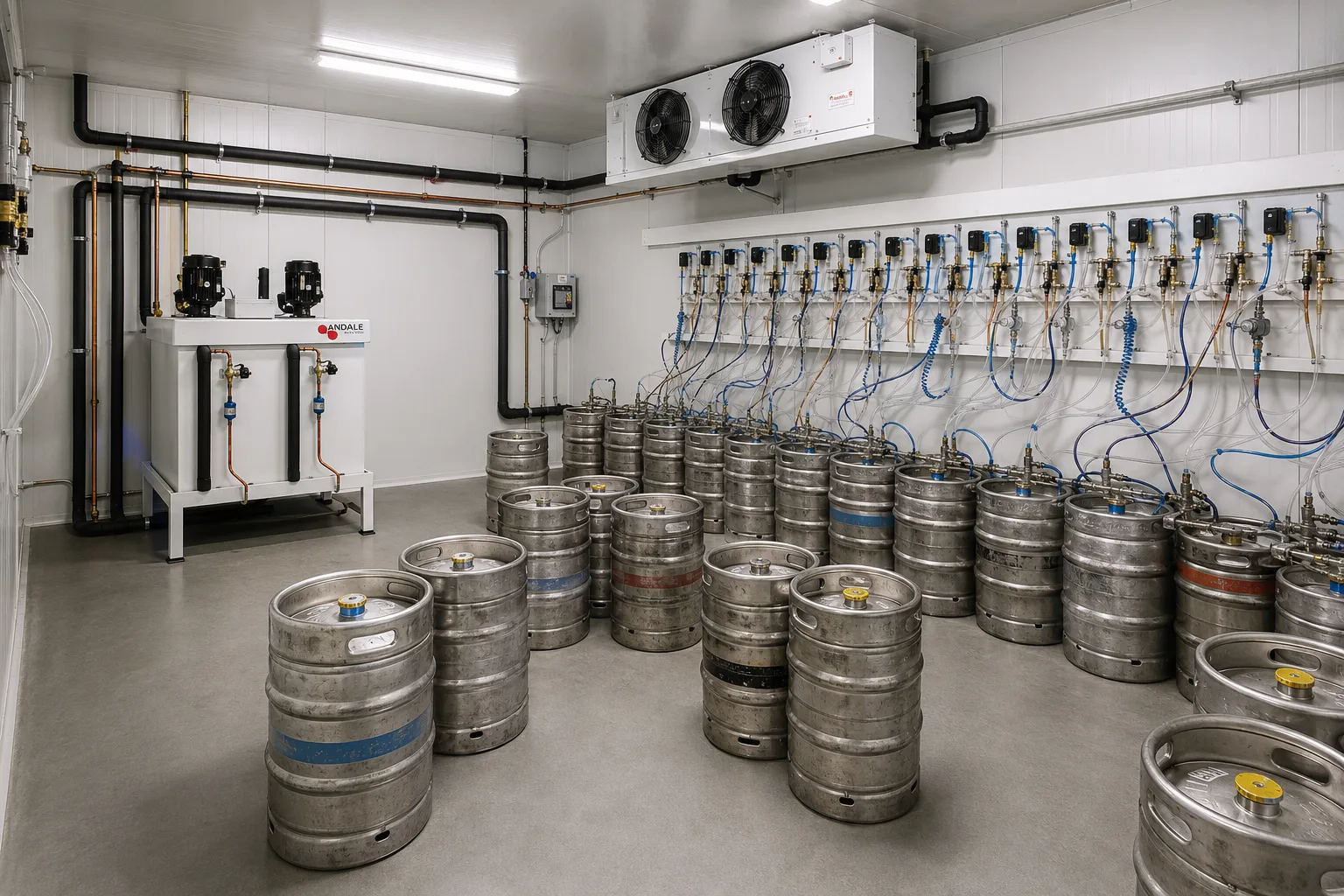
Chiller Services
We provide service and repair for commercial chiller and beer cooling systems, including:
- Fault finding and diagnostics
- Refrigeration system repairs
- Refrigerant leak detection and repair
- Refrigerant recovery and charging
- Compressor diagnosis and replacement
- Condenser cleaning and repair
- Condenser fan diagnosis and replacement
- Water and glycol circulation system checks
- Pump diagnosis and replacement
- Temperature controller repairs
- Temperature sensor and probe replacement
- Pressure control and safety device checks
- Electrical fault finding
- Control system diagnosis
- Preventative maintenance
Common Problems & Warning Signs
Chiller faults often develop gradually. Changes in temperature, operating pressure, cycle time or system noise can indicate a developing problem before the equipment completely fails.
Chiller Not Reaching Set Temperature
If the chiller cannot reach or maintain the required temperature, possible causes include refrigerant problems, poor heat transfer, restricted airflow, dirty condenser coils, circulation problems, faulty sensors or compressor issues.
Cooling Capacity Has Reduced
A chiller may continue running while providing significantly less cooling than normal.
Dirty heat exchangers, low refrigerant charge, poor water or glycol circulation, pump problems and refrigeration faults can all reduce system capacity.
Chiller Running Continuously
A chiller that rarely cycles off may be struggling to satisfy the cooling load.
Restricted heat transfer, dirty condensers, incorrect fluid circulation or refrigeration system problems can increase compressor run time, electricity consumption and component wear.
Chiller Frequently Starting and Stopping
Frequent cycling can indicate temperature control problems, pressure faults, poor circulation, insufficient heat transfer, electrical issues or refrigeration system problems.
High-Pressure or Low-Pressure Faults
Repeated pressure alarms or safety trips should not simply be reset.
Dirty condensers, failed fans, airflow restrictions, refrigerant problems, circulation issues or other system faults may cause abnormal operating pressures.
Water or Glycol Temperature Fluctuations
Unstable fluid temperature can be caused by sensors, controllers, circulation problems, incorrect flow or inconsistent refrigeration performance.
Poor Water or Glycol Circulation
Reduced circulation may be caused by pump problems, air in the system, restrictions, blocked components or other hydraulic faults and can significantly reduce cooling performance.
Unusual Noise or Vibration
Changes in operating noise may indicate problems with compressors, pumps, fan motors, bearings or other mechanical components.
Chiller Has Stopped Operating
A complete shutdown may be caused by refrigeration, electrical, control or circulation system faults. Proper diagnosis is required to determine why the system stopped before resetting or replacing components.
Recommended Maintenance
Commercial chillers often operate for long periods and can carry significant cooling loads. Preventative maintenance is important for maintaining cooling capacity and reducing the risk of unexpected breakdowns.
For many commercial chiller systems, preventative maintenance every 3–6 months is a reasonable general guideline.
The appropriate service frequency depends on operating hours, cooling load, environmental conditions, condenser contamination and the importance of the equipment to the business.
Systems operating continuously or in demanding environments may require more frequent inspection and servicing.
What We Check During a Service
A preventative chiller service may include:
- Condenser condition and cleaning
- Condenser fan operation
- Compressor operation
- Refrigeration system operating condition
- Refrigerant pressures and temperatures
- Signs of refrigerant leakage
- Water or glycol temperatures
- Water or glycol circulation
- Pump operation
- Temperature controllers
- Sensors and probes
- Pressure controls and safety devices
- Electrical components and connections
- System alarms and fault history
- Abnormal noise or vibration
- General cooling performance
Any developing problems identified during servicing can be addressed before they result in reduced cooling capacity or an unexpected breakdown.
Maintenance Can Reduce Energy Consumption
Poorly maintained chillers can consume considerably more electricity while providing less cooling capacity.
Dirty condensers, restricted airflow, incorrect water or glycol flow and refrigeration faults can reduce heat transfer and force the compressor to operate for longer periods.
Regular cleaning, inspection and correct system operation help maintain efficient heat transfer, reduce unnecessary compressor run time and prevent excessive energy consumption.
For equipment that operates many hours every day, even a gradual reduction in efficiency can have a noticeable effect on operating costs over time.
Beer Cooling Systems
Reliable temperature control is particularly important for commercial beer cooling systems, where changes in glycol or cooling performance can directly affect product temperature and dispensing performance.
We provide diagnostics, repairs and preventative maintenance for refrigeration chillers used in beer cooling applications, including checks of refrigeration performance, temperature control, pumps and glycol circulation.
Regular servicing helps maintain stable operating temperatures and identify developing problems before they affect the operation of the system.
Frequently Asked Questions
For many commercial chiller systems, preventative maintenance every 3–6 months is a good general guideline. Systems operating continuously, under heavy load or in demanding environments may require more frequent servicing.
Possible causes include dirty condensers, refrigerant problems, poor water or glycol circulation, pump faults, temperature sensors, controls or compressor problems. Proper diagnosis is required to identify the actual cause.
Continuous operation may indicate that the system is struggling to satisfy the cooling load. Poor heat transfer, restricted airflow, circulation problems or refrigeration faults can increase compressor run time and electricity consumption.
Pressure faults can result from condenser problems, failed fans, airflow restrictions, refrigerant issues, circulation problems or other refrigeration system faults. Repeated safety trips should be investigated rather than continually reset.
Temperature fluctuations may be caused by poor circulation, pump problems, temperature sensors, controllers or inconsistent refrigeration performance.
Yes. Dirty heat exchangers, restricted airflow, poor circulation and refrigeration faults can reduce system efficiency and increase compressor run time. Regular maintenance helps the chiller transfer heat efficiently and avoid unnecessary energy consumption.
Need Chiller or Beer Cooling Service?
If your commercial chiller or beer cooling system is not maintaining temperature, has reduced cooling capacity or requires preventative maintenance, contact Skiva Technologies for professional chiller service and repair.